Sustainable Infrastructure: Transforming Irrigation & Water Resources in Ethiopia
How modern canal networks and hydraulic engineering are securing food security and agricultural resilience across regional states.
Key Technical Highlights & Insights
- ▪ HDPE geomembrane canal lining reduces seepage losses by over 45% compared to conventional unlined earth channels.
- ▪ Engineered weir diversion headworks and automated sluice gates stabilize dry-season irrigation flows.
- ▪ Integrated sediment desilting basins prevent abrasive silt accumulation across secondary and tertiary farm distribution networks.
- ▪ Community-aligned watershed management safeguards ecological river flows while supporting multi-crop annual yields.
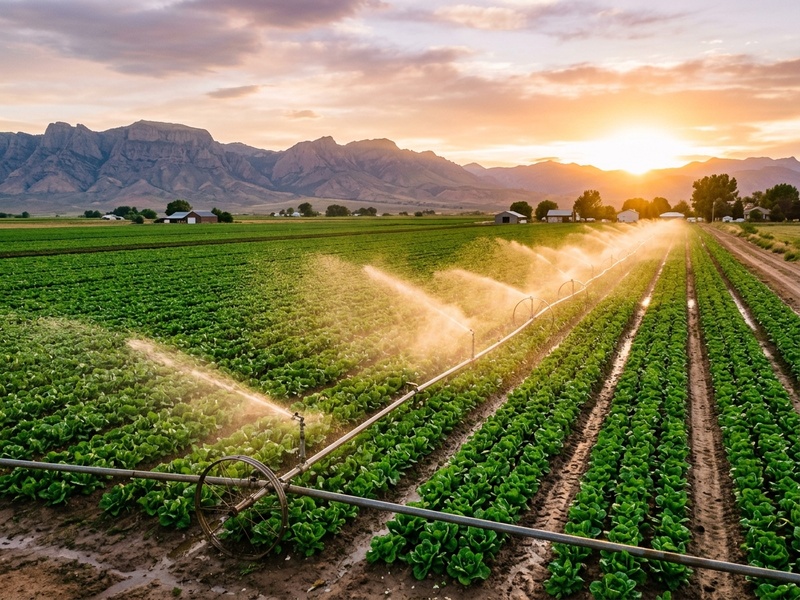
Water is the vital lifeblood of Ethiopia's agricultural economy. Transforming seasonal rainfall dependency into year-round agricultural productivity requires robust, masterfully engineered hydraulic infrastructure capable of channeling river basins into fertile regional farmlands.
Engineering Resilient Headworks & Diversion Weirs
At the heart of any sustainable irrigation scheme is the diversion headwork. Constructing mass concrete gravity weirs across river channels requires deep hydraulic modeling of 50-year flood hydrographs, sediment transport dynamics, and scour depths. Haro Sebu engineers hydraulic structures designed to divert regulated water volumes into primary distribution channels while allowing peak monsoon torrents to safely overtop the spillway crest without undermining downstream apron foundations.
Downstream energy dissipators, including baffle piers and hydraulic jump stilling basins, neutralize torrential kinetic energy before it can erode delicate downstream riverbeds.
"Sustainable water engineering isn't just about moving water from river to field—it's about conserving every cubic meter through precision lining and equitable distribution."
Seepage Mitigation with Modern Lining Technologies
In unlined earthen canals, up to 40% to 50% of diverted water volume can be lost through subsoil seepage and evaporation before reaching cultivation plots. To overcome this critical loss, Haro Sebu implements advanced multi-layer canal lining techniques:
- Geomembrane Impermeable Barriers: High-density polyethylene (HDPE) liners laid beneath the bed to halt subsoil percolation.
- Cast-in-Place Concrete Slabs: Slip-formed reinforced concrete protective armor resistant to weed penetration and scouring velocity.
- Engineered Expansion Joints: Elastomeric water-stop joints accommodating seasonal temperature swings and subgrade settling without cracking.
Sediment Management & Long-Term Canal Lifespans
Ethiopian river basins carry heavy volcanic silt loads during the rainy seasons. Without engineered sediment management, canal beds rapidly silt up, reducing hydraulic conveyance capacity and demanding costly dredging. Haro Sebu integrates vortex desilting chambers and automated undersluice scour gates that continuously flush heavy bed-load sediments back into natural river channels before clear water enters agricultural distribution lines.
Empowering Regional Agricultural Communities
By delivering precision irrigation infrastructure across Oromia and regional states, Haro Sebu empowers local farming cooperatives to transition from single-harvest rain-fed crops to high-yield double and triple-crop cycles. Our engineering solutions deliver lasting water security, strengthen food sovereignty, and build regional climate resilience.
Haro Sebu Engineering Team
Grade 2 CertifiedHydraulic & Water Resources Division
Delivering reliable civil engineering, building superstructures, irrigation networks, and infrastructure solutions across Ethiopia with uncompromising quality standards.
Related Insights & Articles
View All →
Grade 2 Construction Standards: Precision Engineering in High-Rise Structures
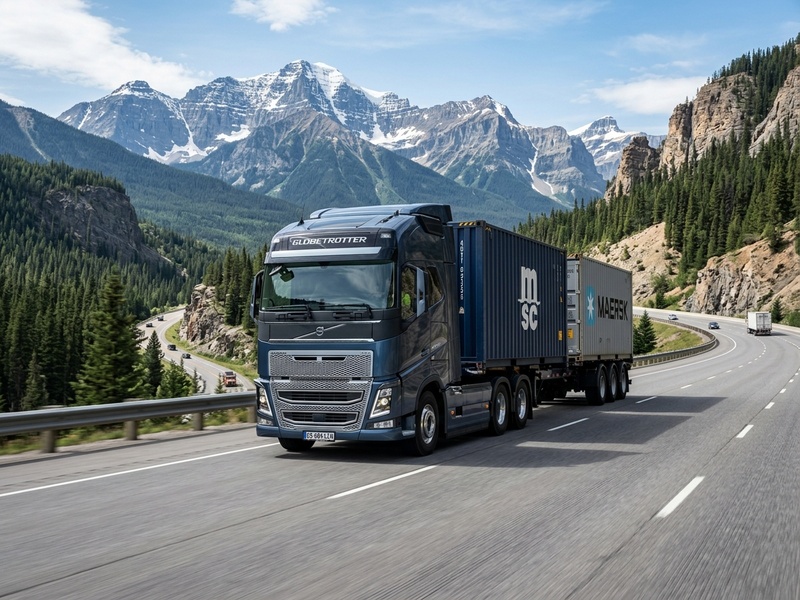

Modern Highway Arteries: Connecting Regional Corridors Across Ethiopia
Partner with Haro Sebu for Your Next Project
Consult with our Grade 2 certified engineers for building construction, irrigation works, roads, bridges, and general supply solutions.